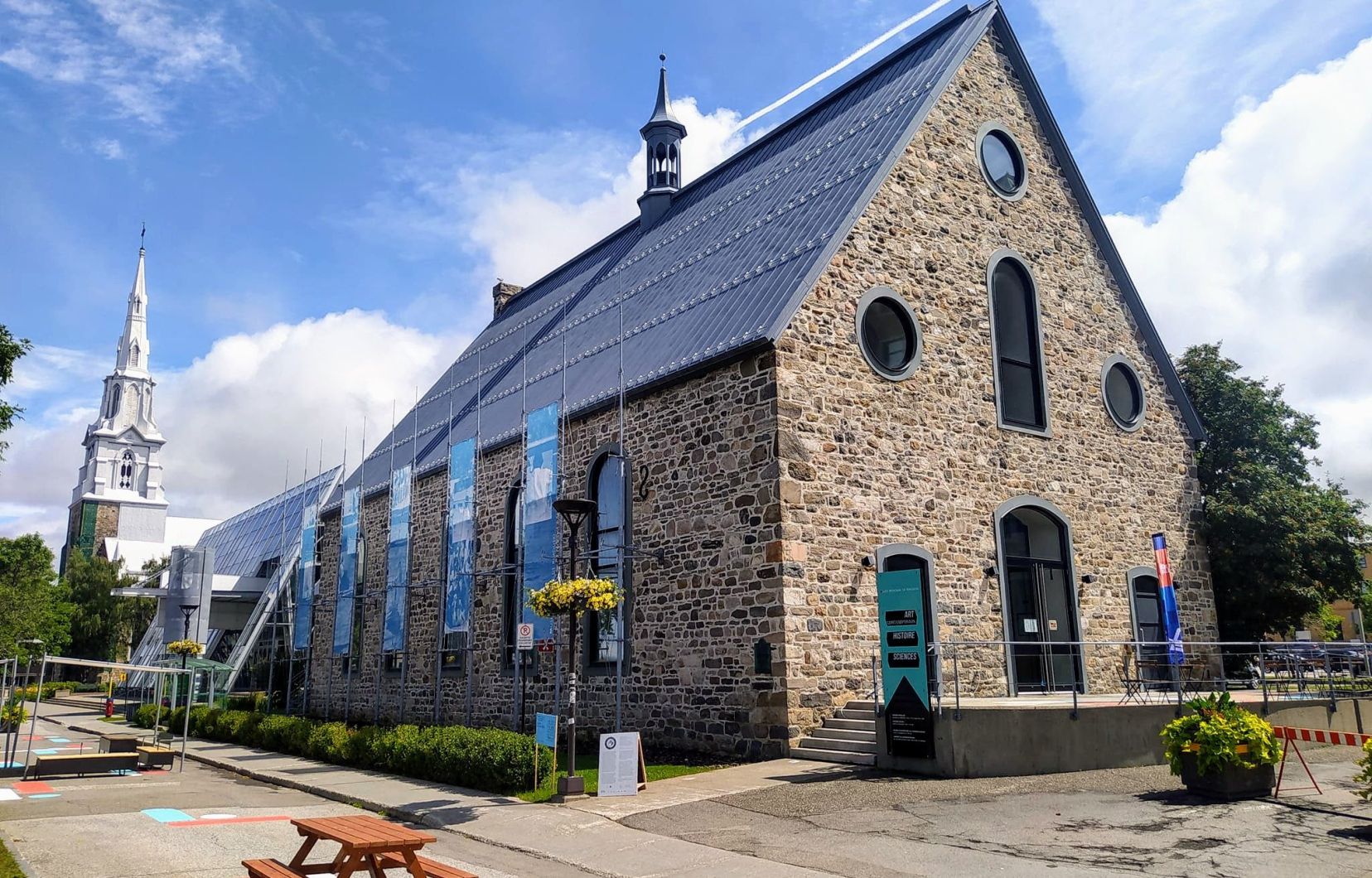
Rimouski Regional Museum Faces Temporary Closure Amid Financial Struggles
The Rimouski Regional Museum has announced a temporary closure starting February 17, following the conclusion of its contemporary exhibitions. The decision comes in response to financial difficulties that have plagued the institution, with a reported $50,000 deficit in 2023-2024 and a projected shortfall of $110,000 for the current year.
Financial Constraints and Temporary Shutdown
Museum President Guy Dionne emphasized the necessity of this temporary closure as a cost-saving measure. “This planned six-week shutdown is expected to reduce our projected 2024 deficit by $40,000,” Dionne explained. The institution aims to reopen by May or, at the latest, June to align with the critical tourist season. “We have to be able to take advantage of the tourist season—it’s too important for our museum. We want to return stronger.”
Despite having financial reserves, Dionne acknowledged that the museum’s current trajectory could lead to permanent closure within a year and a half. The museum’s financial struggles have led to significant staff reductions. Of its nine employees, one has been laid off, three are temporarily unemployed, and three others have had their weekly hours slashed from 28 to just 12. For now, the museum is maintaining its full-time conservator and management positions.
Leadership Void and Strategic Overhaul
One of the key challenges facing the museum is the absence of a general director. Daisy Boustany, who took over the role in 2021, left in May 2024, and no successor has been appointed. “Finding a new director is the first step in our restructuring process,” said Carl Johnson, the museum’s acting director.
The museum’s financial struggles highlight a larger issue: dependence on government subsidies, which Dionne argues are not keeping pace with inflation and rising operational costs. “We need to find ways to generate our own revenue—about $350,000,” Dionne stated. “We can no longer rely solely on subsidies.”
Scheduled Exhibitions and Institutional Challenges
While the temporary closure affects operations, it does not disrupt previously scheduled exhibitions. The contemporary art exhibition Indigenous Current Art of Biennial 2024 and the Secrets Under the Waves exhibition by Exploramer will continue as planned, concluding on February 2 and February 16, respectively.
Founded in 1972, the Rimouski Regional Museum occupies Quebec’s oldest stone church and has long been a key institution for contemporary art. Since 1977, it has focused on showcasing contemporary artists and playing a pivotal role in launching regional talent. According to Camille Cazin, director of a fine arts group, regional museums like Rimouski’s are crucial for emerging artists: “These institutions often provide the first professional opportunities for new artists, allowing them to present their work in an institutional setting and build credibility with curators, collectors, and the public.”
The Broader Impact on the Arts Community
Cazin warns that the Rimouski Museum’s struggles could signal a broader crisis for regional art institutions. “What is worrisome is that this could be the first in a series of similar financial difficulties. Even if museums do not close, they may be forced to reduce the number of exhibitions and mediation activities, which would negatively impact visual arts organizations.”
If the Rimouski Museum manages to reopen in May, the museum does not anticipate immediate disruptions to its existing contracts. Artistic residencies, such as one planned for textile artist Camille Lescarbeau, are expected to proceed as scheduled.
However, the situation raises a critical question: will there be additional financial support for remote museums? With many regional institutions facing similar budget constraints, the sustainability of these vital cultural spaces remains uncertain. As the Rimouski Regional Museum works through its restructuring efforts, its survival—and that of other institutions like it—may depend on a combination of strategic revenue generation, government intervention, and increased community engagement.

Leave a Reply